
RX EQUIPMENT
FAQ for Underground Mining loader
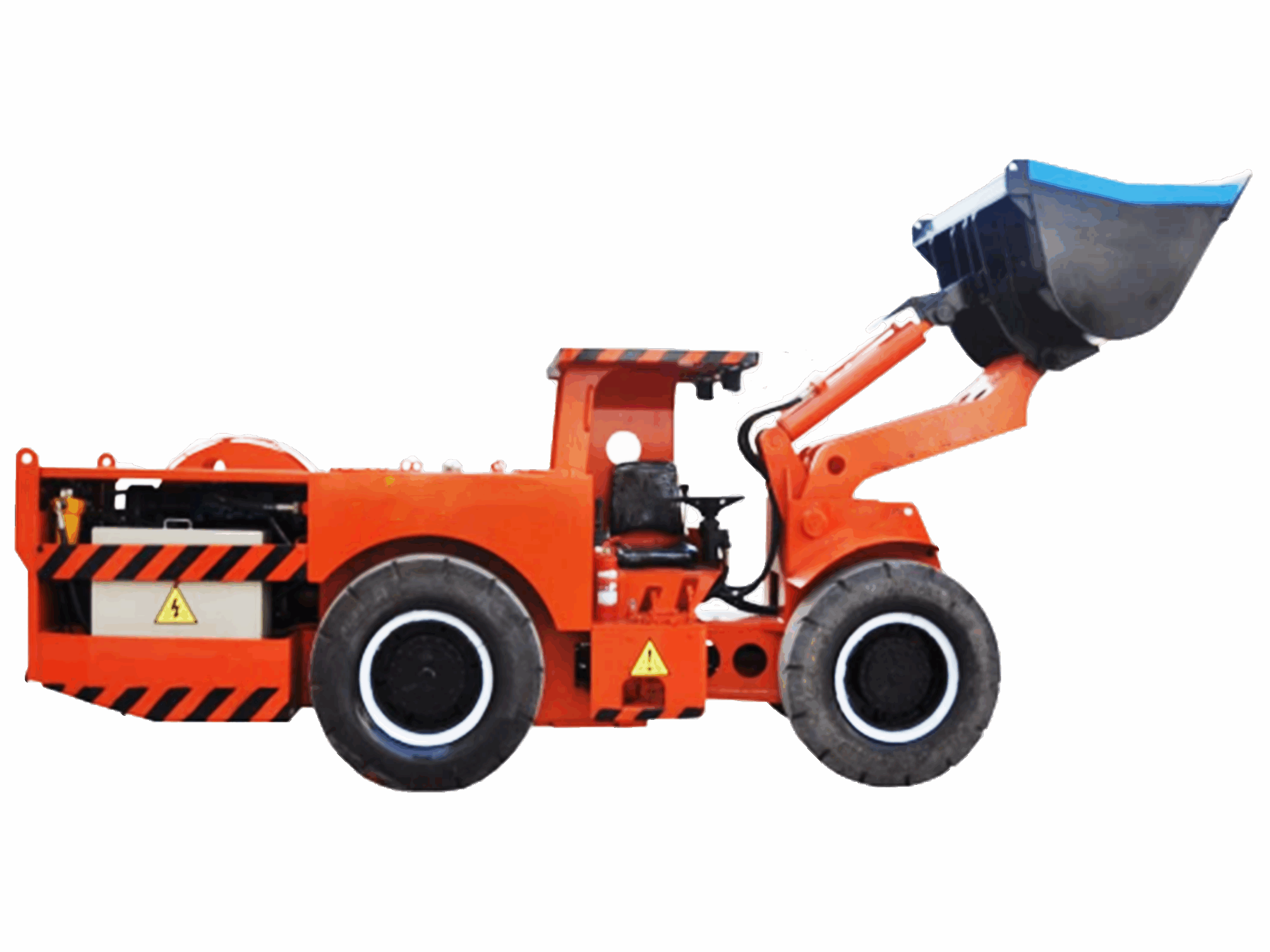
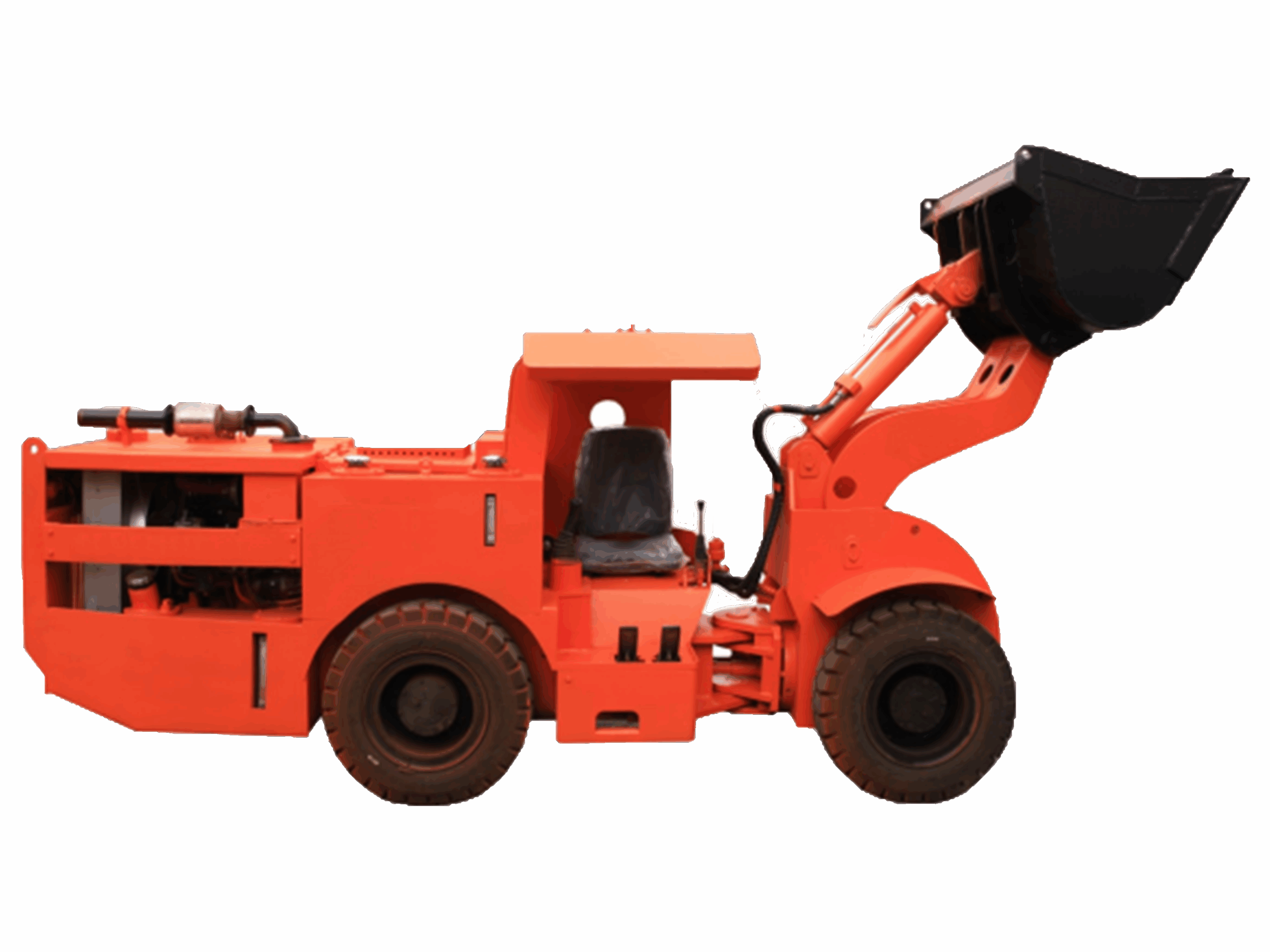
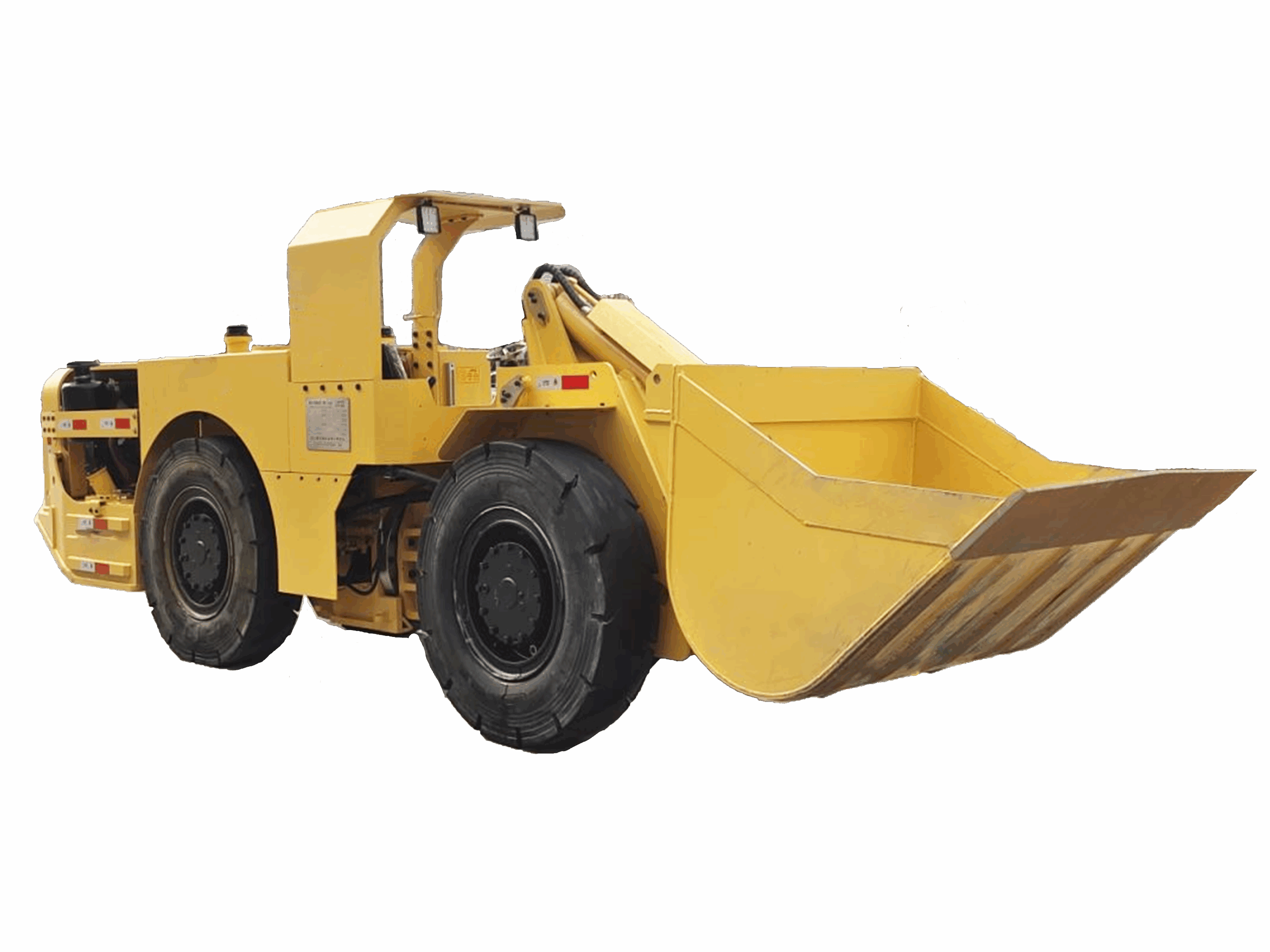
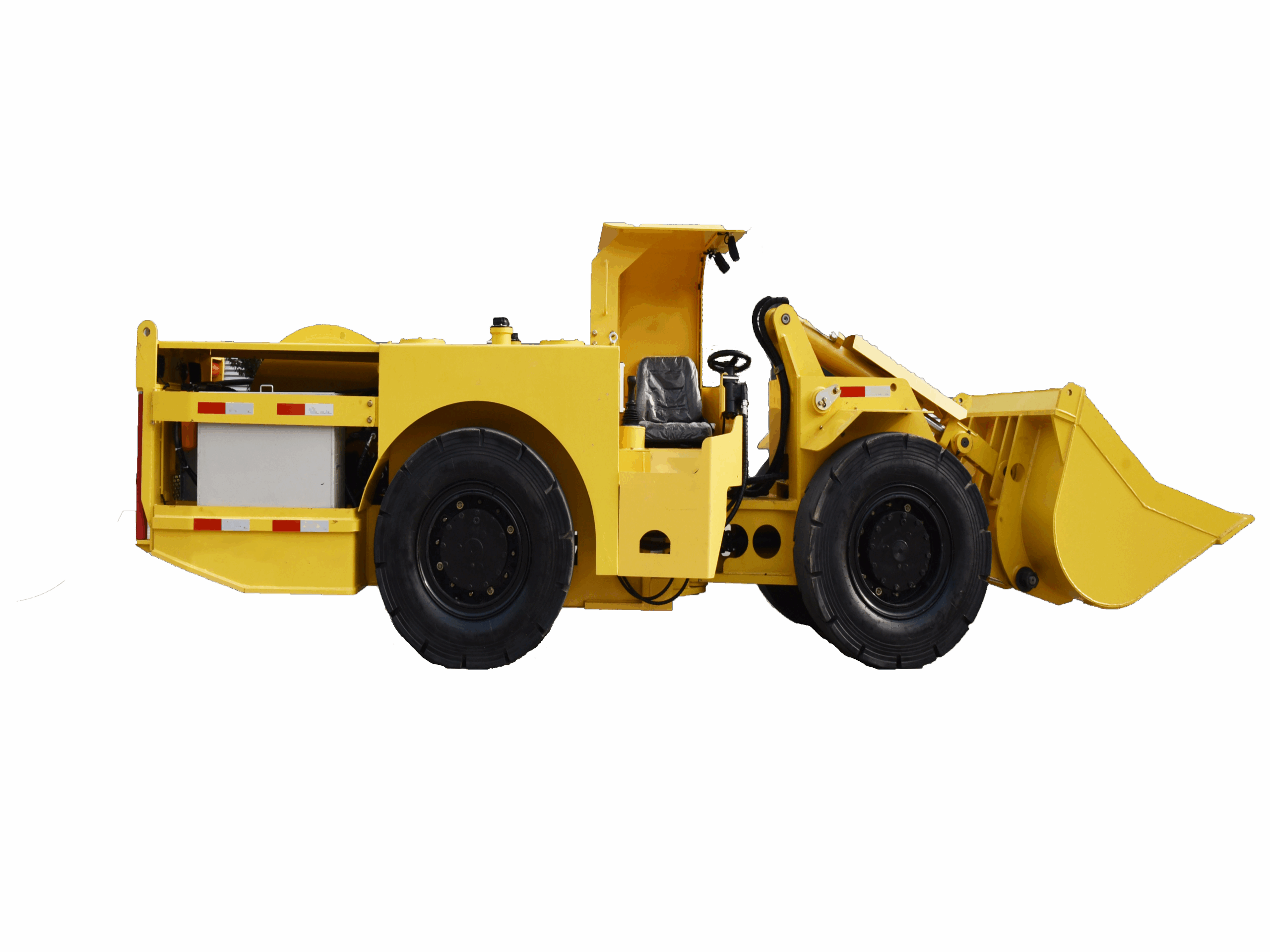
A mining loader is a heavy-duty engineering machine specially designed for underground or open-pit mining operations. As a core piece of equipment for material handling in mines, it is mainly used for loading, transporting and moving bulk materials such as ores, muck and earth-rock mixtures.
- Mining loaders have excellent adaptability to mining conditions—underground models are compact with a small turning radius for navigating narrow roadways, while open-pit models feature strong power, high ground clearance and superior tire grip to handle complex terrains like steep slopes, potholes and mud.
- Equipped with a large-capacity bucket and a responsive hydraulic lifting system, they enable smooth loading and unloading movements, efficiently transferring and loading bulk materials such as ores and muck.
- These machines come with comprehensive safety features including anti-slip tires, anti-collision guardrails and reverse warning devices; underground variants are additionally fitted with gas detection and alarm systems as well as explosion-proof electrical components to ensure operational safety.
- Key components of mining loaders are made of wear-resistant and impact-resistant materials to withstand high-load mining environments, and their well-designed maintenance points help reduce failure rates and long-term operational costs.
- The core of matching rated load capacity and bucket volume lies in combining material characteristics such as the bulk density and particle size of ores or muck—smaller-capacity buckets are suitable for hard and large-sized materials, while larger-capacity buckets can be selected for loose materials to improve load factor.
- For short-distance transportation on flat roads, prioritize increasing the bucket volume to maximize the single-transport capacity; for medium-to-long-distance transportation or travel on steep and muddy roads, it is necessary to control the bucket volume to avoid reduced equipment power and driving efficiency caused by overloading.
- It is essential to follow the industry principle of "filling a truck with 3–5 shovels" and match the rated load capacity of supporting mining trucks, so as to ensure efficient coordination between loaders and trucks and reduce waiting or empty running time.
- Finally, according to the mine's daily mining volume target, deduce the required hourly transportation capacity of a single machine, and determine the optimal combination of rated load capacity and bucket volume in conjunction with the loading cycle time.
- Operate the control lever slowly and steadily; avoid abrupt lifting/dumping to prevent hydraulic pressure surges.
- Check for overloading or hard foreign objects in the bucket and remove them promptly.
- Pause 1–2 seconds after lifting to the target height before unloading; don’t overlap actions.
- Only operate with the machine level and stable—avoid ramps or uneven ground.
- First, measure the maximum steep slope gradient and the height of bumps/gullies on rough roads in the mine, and reserve an additional 5%–10% slope redundancy for heavy-load operating conditions.
- Compare the vehicle parameters to ensure that the rated climbing gradient is not less than the sum of the mine’s maximum slope gradient and redundancy value, and the minimum ground clearance is greater than the maximum bump height on the road surface.
- Conduct a full-load field test drive for verification if conditions permit, or refer to the usage feedback of similar vehicle models in the same mine and the manufacturer’s working condition adaptability report.
 English
  Spanish
  Russian