RX EQUIPMENT
FAQ for Tricycle Dump Trucks
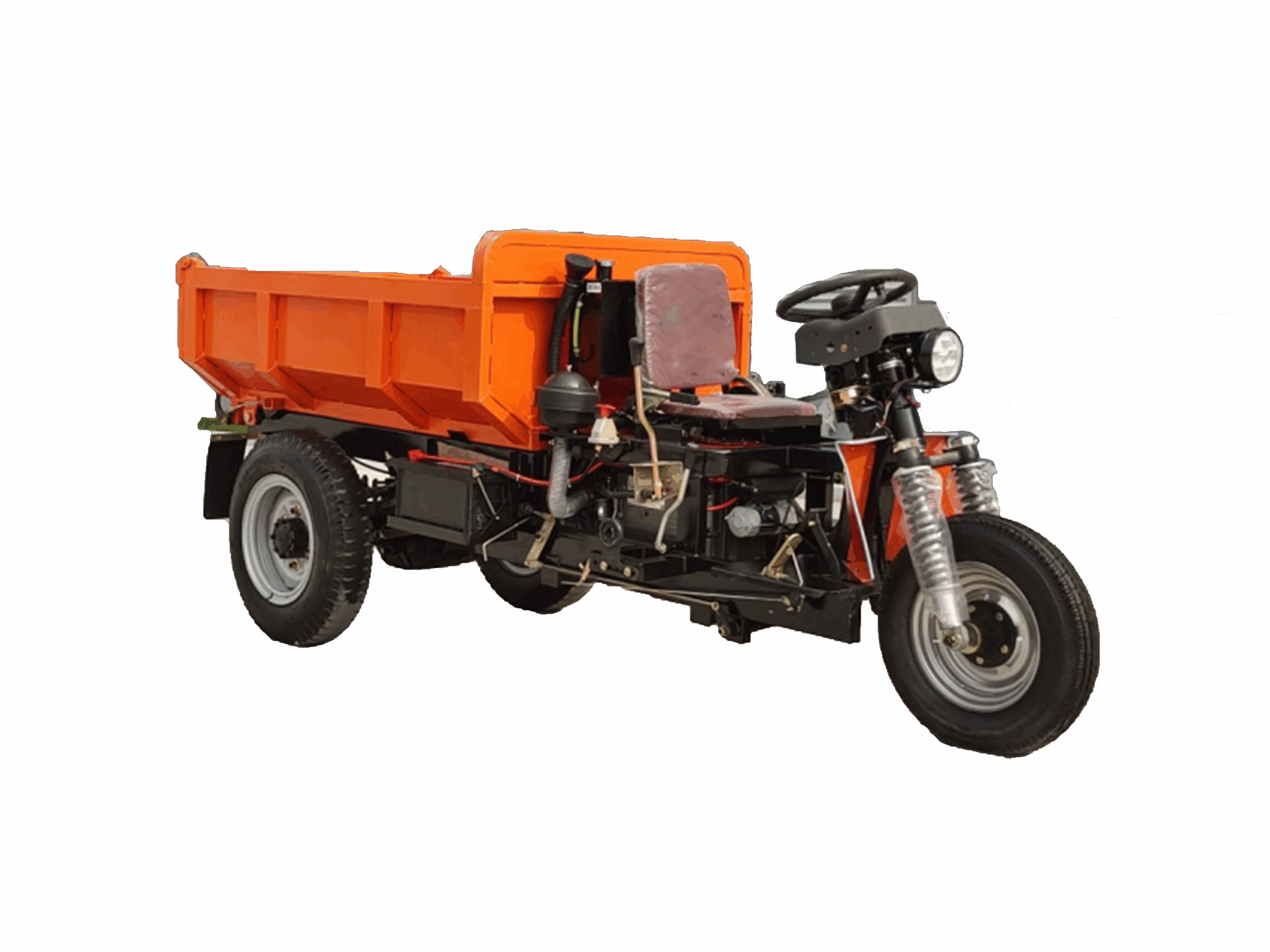
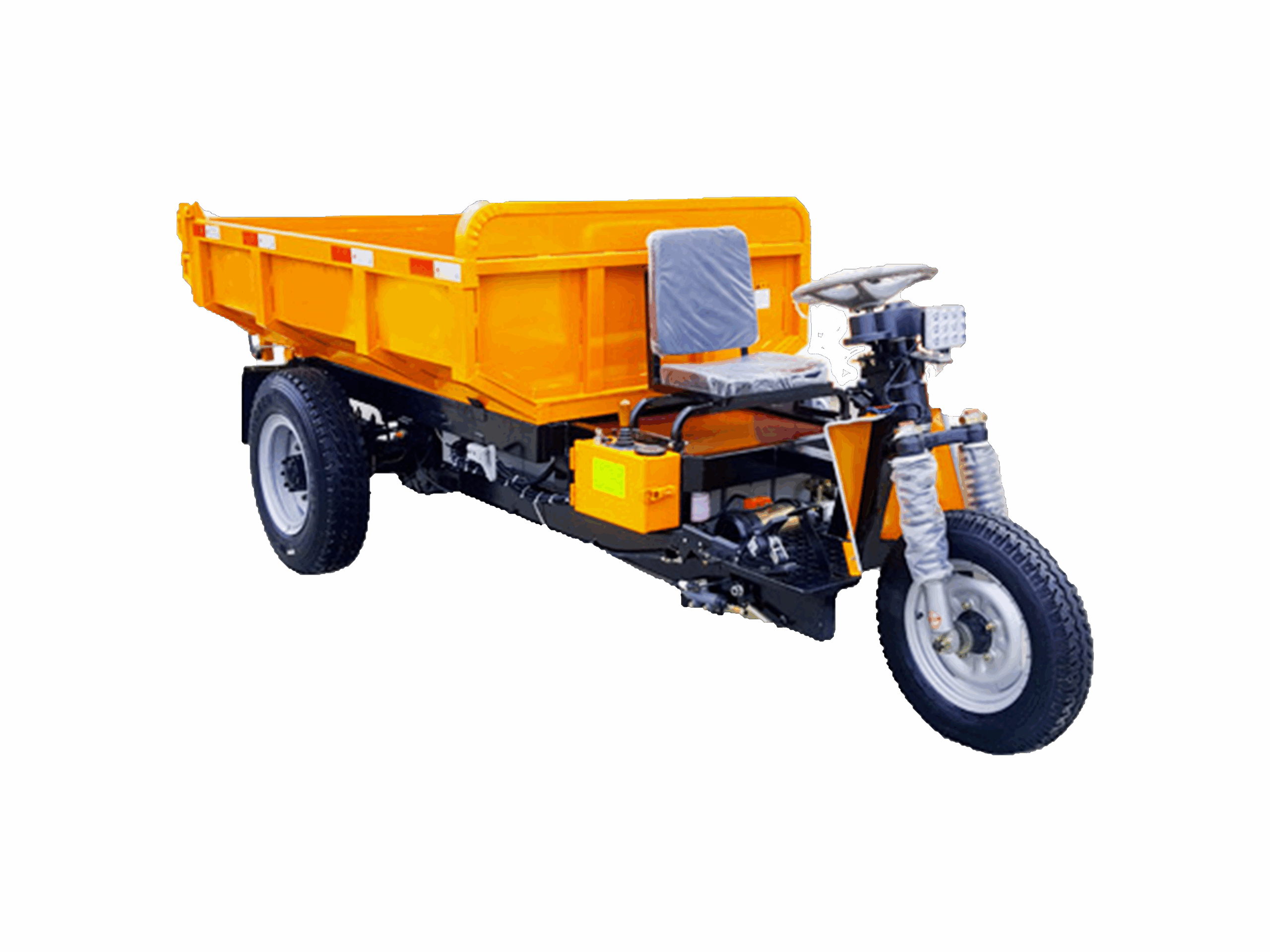
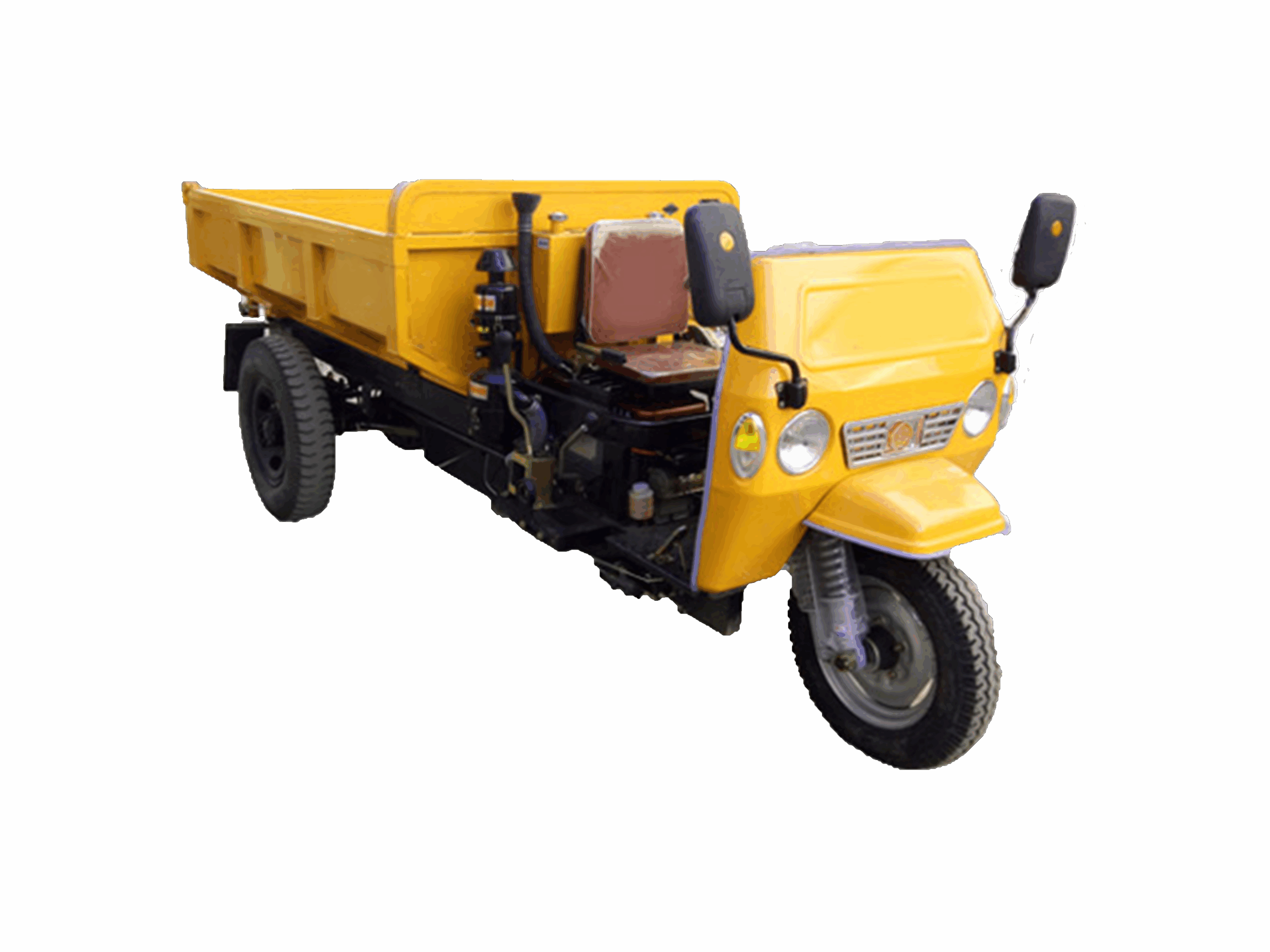
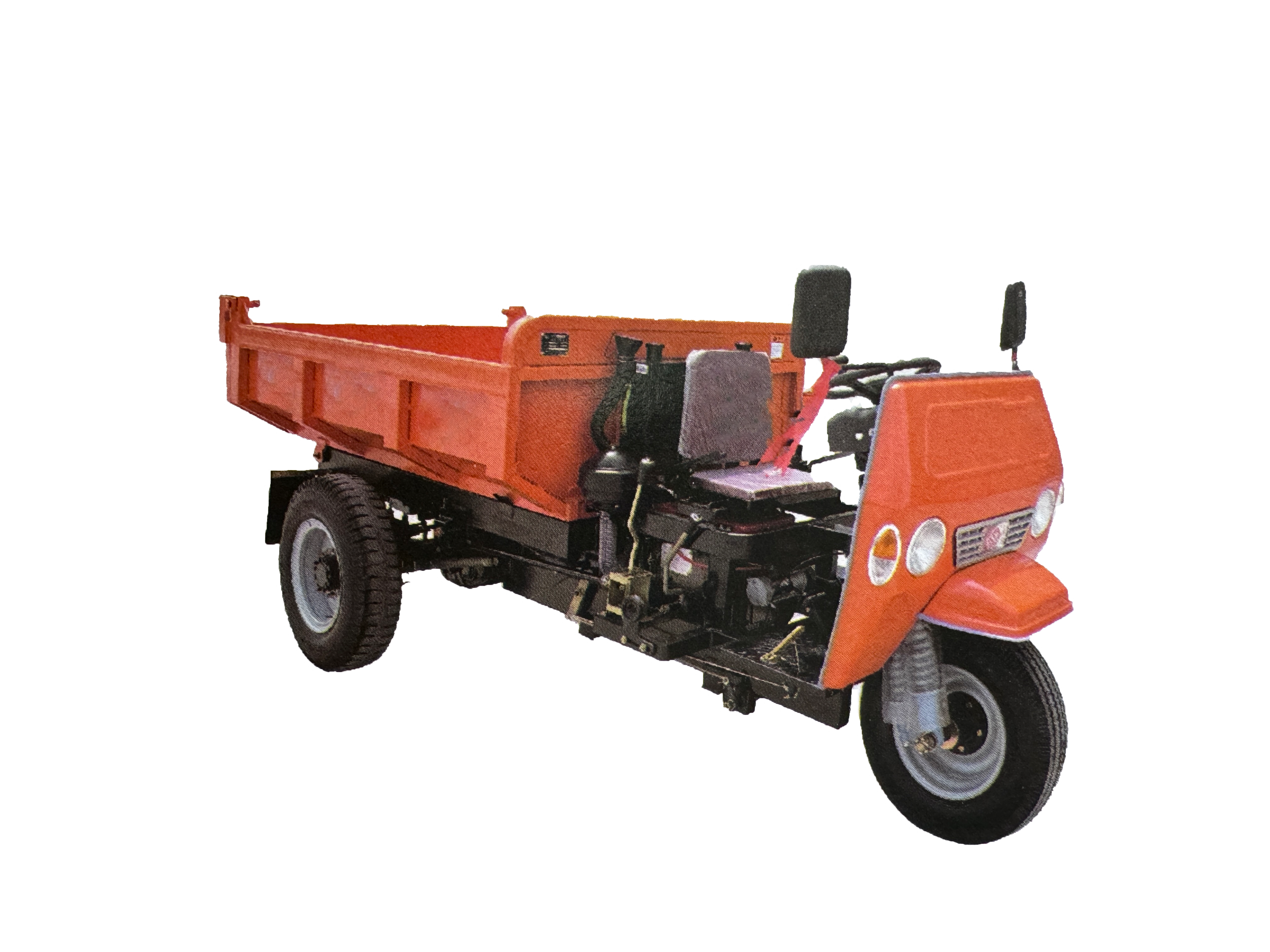
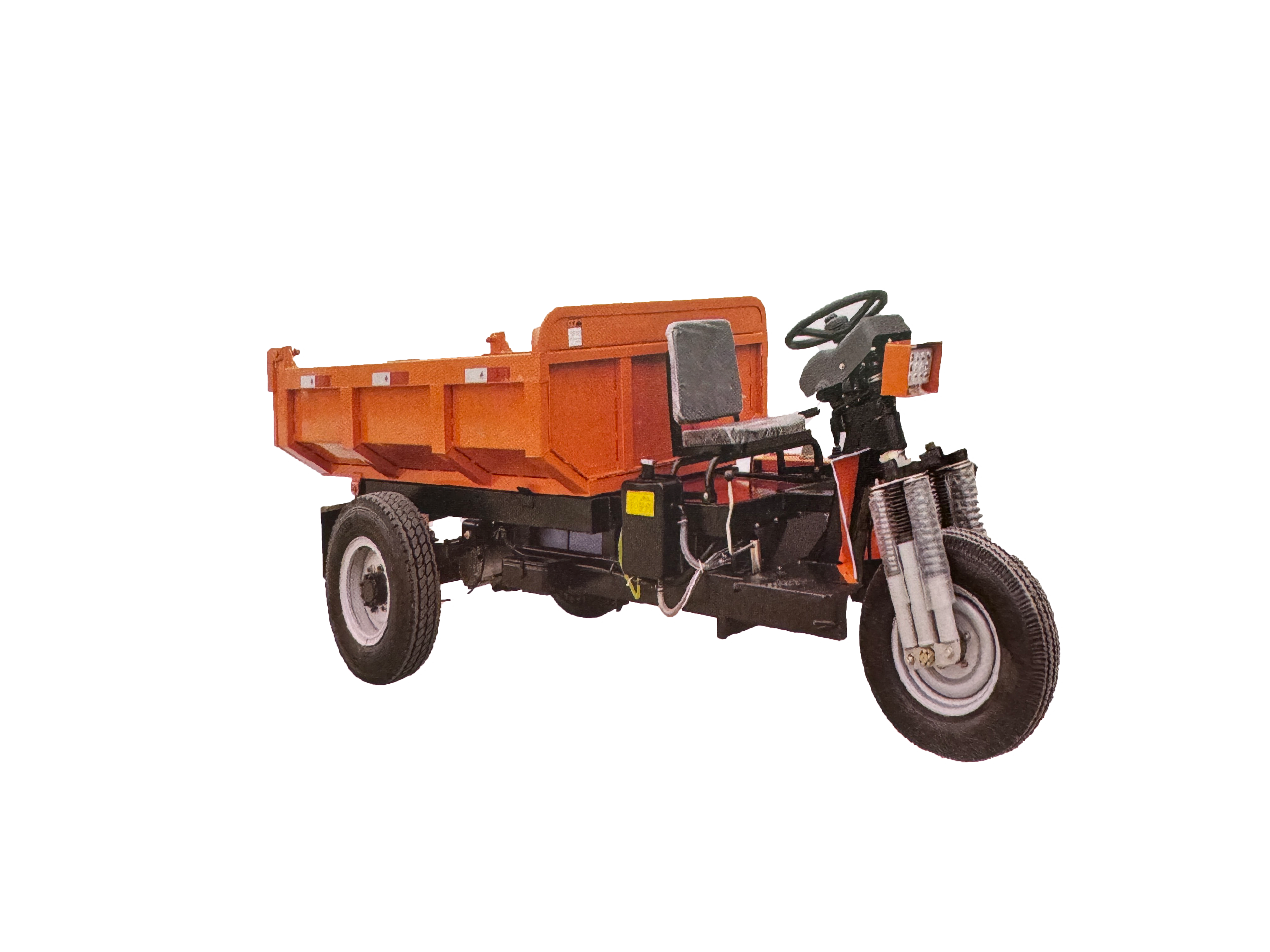
A mining tricycle is a compact industrial and mining transport vehicle specially designed for short-distance material transportation in underground or open-pit mining scenarios, and is mainly used for hauling ores, muck, earth and rock, and other materials.
- Compact in size with a small turning radius and high ground clearance, it can easily navigate narrow underground roadways, steep slopes and bumpy terrain in open-pit mines.
- Available in diesel and electric variants, it caters to different operational needs—ideal for high-intensity work in remote mines without stable power supply, and eco-friendly short-distance transportation in confined underground spaces.
- More cost-effective than large mining trucks, it is equipped with a hydraulic dump system to boost unloading efficiency, and features easy maintenance with low follow-up costs.
- Comes with targeted safety configurations including reinforced brakes and anti-slip tires; some models are fitted with reflective signs and warning lights to meet mine operation safety standards.
- Electric mining tricycles: Best suited for underground operations. Zero exhaust emissions and low noise meet the environmental and safety requirements of confined underground spaces; their compact and flexible structure is ideal for transportation in narrow roadways. The downside is limited battery range, which requires supporting charging facilities, making them unsuitable for long-distance open-pit operations.
- Diesel mining tricycles: More suitable for open-pit mines. With strong power and unlimited endurance, they allow convenient refueling and can meet the demands of steep slope climbing, heavy-load hauling and long-distance transportation in open-pit mining areas; they have low dependence on infrastructure, making them ideal for remote open-pit mines without stable power supply. The disadvantage is high exhaust and noise levels, which do not comply with underground operation specifications.
- Dump-type mining tricycles: Suitable for both underground and open-pit operations, with their core advantage being high unloading efficiency. The hydraulic dump function eliminates manual unloading, especially for bulk material transportation such as ores and muck. Selection should be based on power type—choose electric dump models for underground use and diesel dump models for open-pit use.
- Risk Points
The core risks of rollover when turning with a full load of materials stem from four aspects: first, a full load of materials raises the overall center of gravity of the vehicle, and uneven loading will cause center-of-gravity offset, which greatly amplifies the effect of centrifugal force during turning; second, failure to decelerate in advance before turning results in centrifugal force generated by excessive speed exceeding the vehicle's stability threshold, and the risk is even higher on steep curved roads; third, potholes, muddy ground or inclined road surfaces in mine curves reduce wheel grip and damage the vehicle's turning balance; fourth, improper operations such as emergency braking, sharp steering or hasty avoidance when meeting other vehicles during turning will further increase the risk of rollover.
- Preventive Measures
Targeted prevention should be carried out from four dimensions: loading, operation, road conditions and configuration. Materials should be loaded evenly and flatly; overloading and uneven loading are strictly prohibited, and retaining plates can be installed if necessary to lower the center of gravity. Decelerate to below 5km/h in advance before entering a curve, steer smoothly, follow the principle of "low speed, slow turning and no overtaking", and avoid emergency braking and sharp steering. Clear potholes and gravel in curves before operation, level inclined road surfaces, and set warning signs at dangerous curves. Install anti-rollover frames and widened tires on the vehicle, and regularly inspect the braking system and steering components to ensure stable working conditions.
- First, measure the maximum steep slope gradient and the height of bumps/gullies on rough roads in the mine, and reserve an additional 5%–10% slope redundancy for heavy-load operating conditions.
- Compare the vehicle parameters to ensure that the rated climbing gradient is not less than the sum of the mine’s maximum slope gradient and redundancy value, and the minimum ground clearance is greater than the maximum bump height on the road surface.
- Conduct a full-load field test drive for verification if conditions permit, or refer to the usage feedback of similar vehicle models in the same mine and the manufacturer’s working condition adaptability report.
 English
  Spanish
  Russian